
Why Your Skin Looks Tired Even When You're Not
Why Your Skin Looks Tired Even When You're Not
You slept eight hours. You drank your water. You still caught your reflection this morning and thought, I look exhausted. That disconnect is one of the most common things people bring up, and it's rarely about the one night's sleep they're blaming.
Dullness isn't a single problem. It's a symptom with about six different possible causes, and they call for different fixes. Here's how to tell which one is actually yours.
What "Dull" Skin Actually Means
Skin looks bright when light reflects off it evenly. It looks dull when that reflection is broken up, either by a rough surface, by puffiness that casts shadow, by a sluggish blood supply that leaves skin looking flat instead of flushed. "Dull" is really just shorthand for one or more of those things happening at once.
That's why the standard advice like sleep more, drink water etc... helps some people and does nothing for others. It's treating one possible cause as if it were the only one.
The Six Real Causes
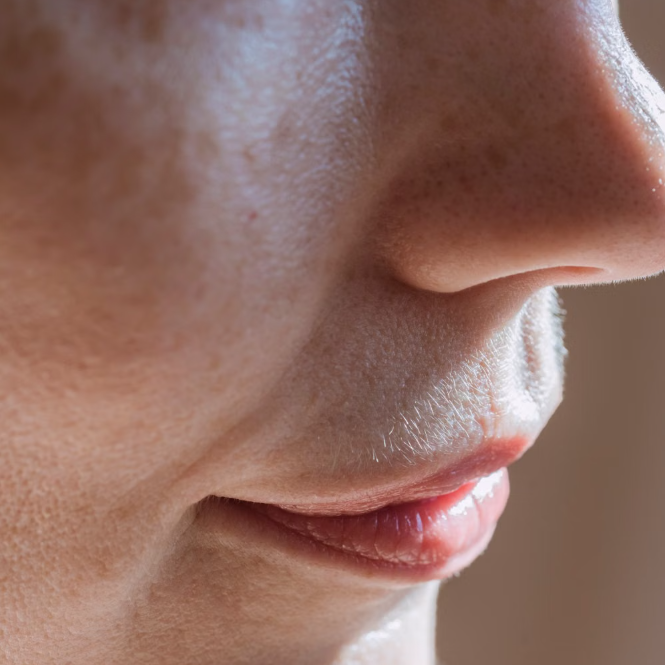
1. Dead skin cell buildup. Skin cell turnover slows with age, with the seasons (dryer months are worse), and with certain skincare routines that skip exfoliation entirely. When dead cells sit on the surface too long, they scatter light instead of reflecting it. This is usually the cause when skin feels slightly rough to the touch, not just looks dull.
2. Dehydration below the surface. This is different from thirst. Skin can be dehydrated even in someone who drinks plenty of water, because the issue is often a compromised moisture barrier; the skin isn't holding onto water it already has, rather than lacking water to begin with. Dehydrated skin often looks fine in the morning and visibly flatter by afternoon.
3. Poor circulation. This is why a workout or a hot shower makes skin look better within minutes: blood flow brings color and a temporary plumping effect. Sedentary stretches, cold weather, and poor sleep positioning can all leave circulation sluggish enough to show up as persistent flatness, especially around the cheeks and under the eyes.
4. Sleep debt that's compounding. One rough night rarely does much. What shows up on skin is usually the accumulated effect of a week or two of shorter, lower-quality sleep: reduced overnight repair, elevated cortisol, and fluid retention that shows as puffiness rather than radiance.
5. Cumulative sun exposure. This one is slower and easier to miss day to day. UV exposure breaks down collagen and thickens the outer skin layer unevenly over years, which flattens out the skin's natural light reflection. It's rarely the answer to "why do I look tired this week"... it's usually part of "why does my skin look tired more often than it used to."
6. Stress and cortisol. Chronic stress does two things at once: it triggers inflammation that puts a duller, sometimes reddish tone over the skin, and it raises cortisol, which actively breaks down collagen over time. This is the cause most often overlooked, because people separate "how I feel" from "how my skin looks" when the two are closely connected.
A Quick Way to Tell Which One Is Yours
- Skin feels rough or looks patchy in texture → likely buildup
- Looks fine in the morning, flatter by evening → likely dehydration
- Looks better right after exercise or a warm shower → likely circulation
- Comes with puffiness or under-eye shadowing → likely sleep debt
- Gradual change over years, more noticeable in photos than mirrors → likely cumulative sun exposure
- Tracks closely with stretches of high stress → likely cortisol-driven
Most people are dealing with two of these at once, which is part of why single-fix advice tends to underperform.
What Actually Helps
For buildup: gentle, consistent exfoliation - chemical (AHA/BHA) tends to be more even-handed than physical scrubs, which can aggravate skin that's already stressed. A triple-acid AHA cleanser built for daily use covers this without requiring a separate exfoliating step.
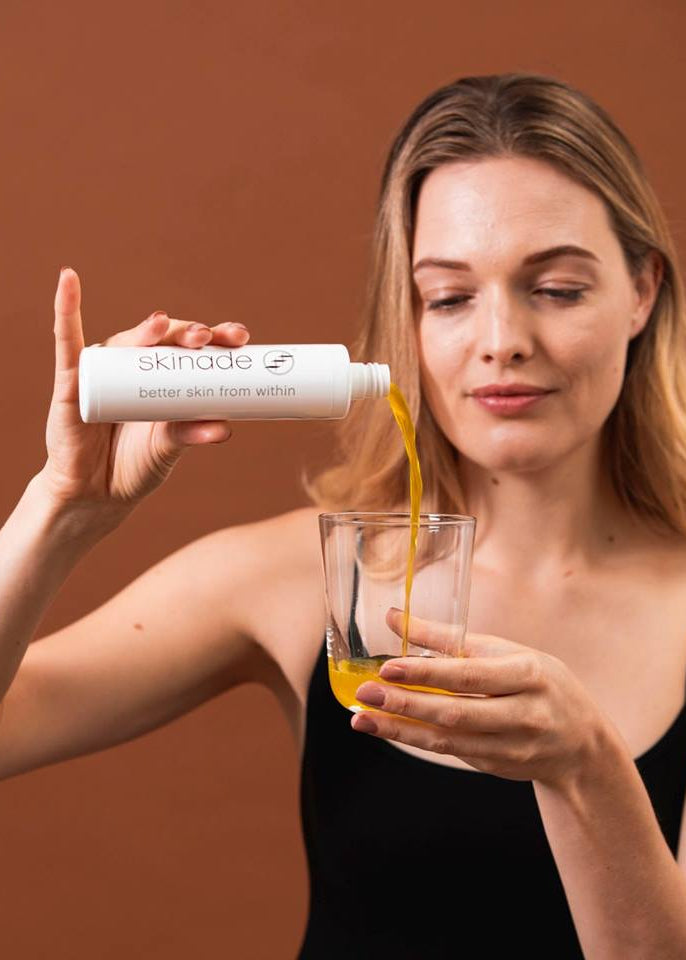
For dehydration: barrier repair first, hydration second. A humectant serum does little if the barrier above it can't hold water in — something like a water-gel hyaluronic concentrate addresses both at once. Ingestible hydration support can help here too, since some of this is happening below what topicals can reach; a daily collagen drink is one option for that angle.
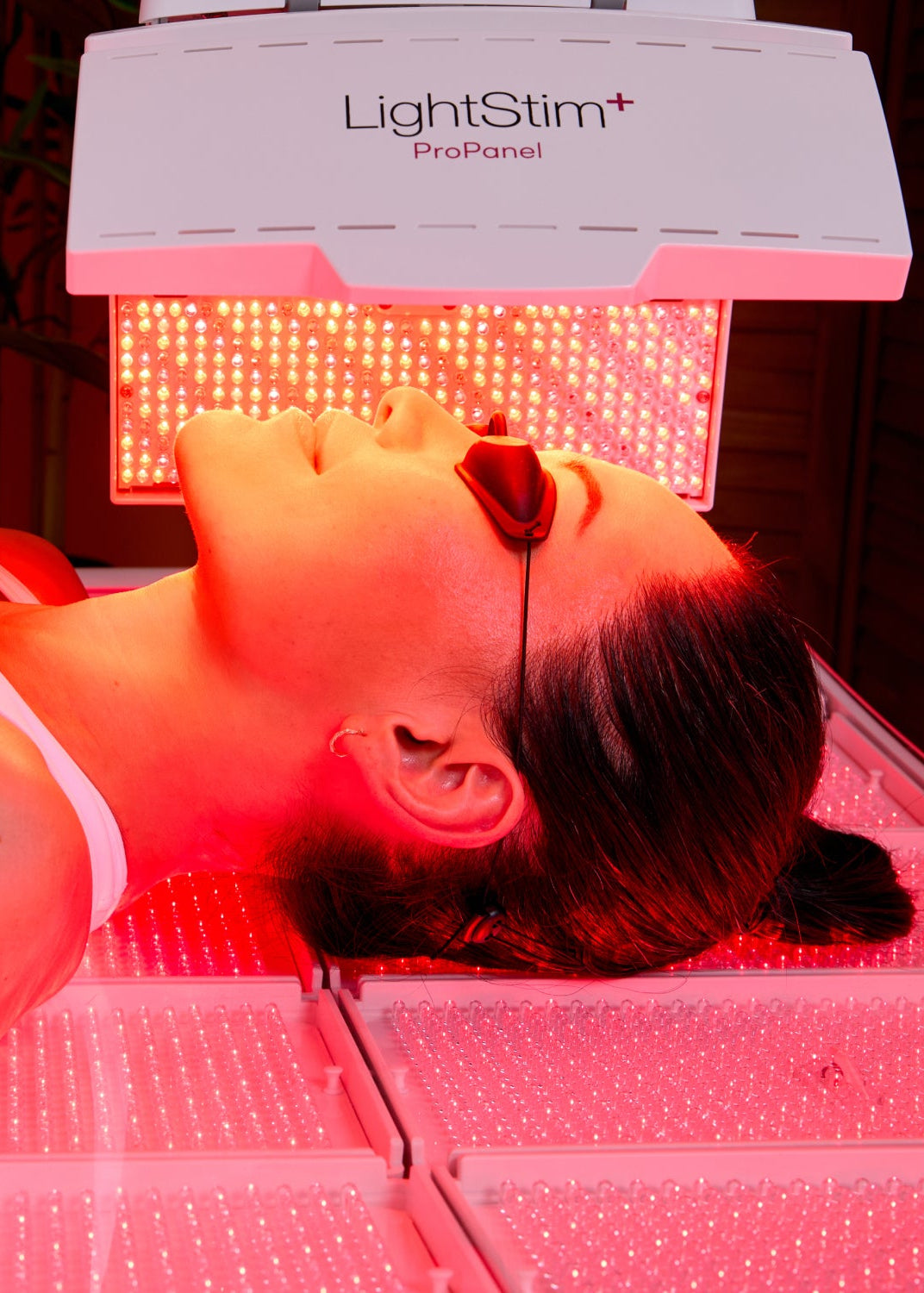
For circulation: anything that increases blood flow to the face like facial massage, gua sha, or tools like red and near-infrared light, which are increasingly used for exactly this. A handheld LED device is a lower-effort way to build this in a few times a week. Even short daily movement helps more than people expect.
For sleep debt: this is the one place where the obvious advice is correct: the fix is sleep, not a product. Recovery-oriented habits (consistent wake time, less light exposure before bed) do more here than anything applied topically. An overnight recovery serum can support what skin is already doing during that window, but it's a complement to sleep, not a substitute for it.
For sun exposure: daily SPF is the actual prevention: a tinted mineral SPF 50 that also addresses existing damage covers both jobs in one step. Antioxidant serums help offset some of the ongoing damage on top of that, but they're a supplement to sun protection, not a replacement for it.
For cortisol: this is the cause most people skip because it doesn't feel like a skin problem. Stress management, adequate recovery, and in some cases nervous-system-focused routines matter here as much as anything applied to the face.
When It's Not Just Dullness
Occasionally what looks like ordinary dullness is something else: a thyroid issue, anemia, or a reaction to a medication can all present as flat, tired-looking skin. If dullness shows up suddenly, comes with other symptoms like fatigue or hair changes, or doesn't respond to a few weeks of consistent care, it's worth mentioning to a doctor rather than working through it alone.
Common Questions
Does drinking more water fix dull skin? Sometimes, but not usually on its own. If the cause is barrier dysfunction rather than actual dehydration, water intake alone won't resolve it, barrier repair will.
Can stress really cause dull skin? Yes. Elevated cortisol breaks down collagen and increases inflammation, both of which visibly affect skin tone over time.
How long does it take for skin to stop looking tired? Depends on the cause. Circulation-based dullness can improve within minutes. Buildup-related dullness usually takes two to four weeks of consistent exfoliation. Sun-related changes take much longer and are partly about prevention rather than reversal.
Is dullness from aging permanent? Not entirely. Causes like accumulated sun damage and slower natural cell turnover are a long-term trend rather than a single fixable event. But the other five causes are usually addressable at any age.
Most of the time, tired-looking skin isn't really about the skin, it's about circulation, sleep, stress, and a handful of habits stacking up quietly. Once you know which one is actually yours, the fix tends to be more straightforward than the advice usually makes it sound.
Written with Larisa, licensed esthetician and co-founder of worth//vitality.